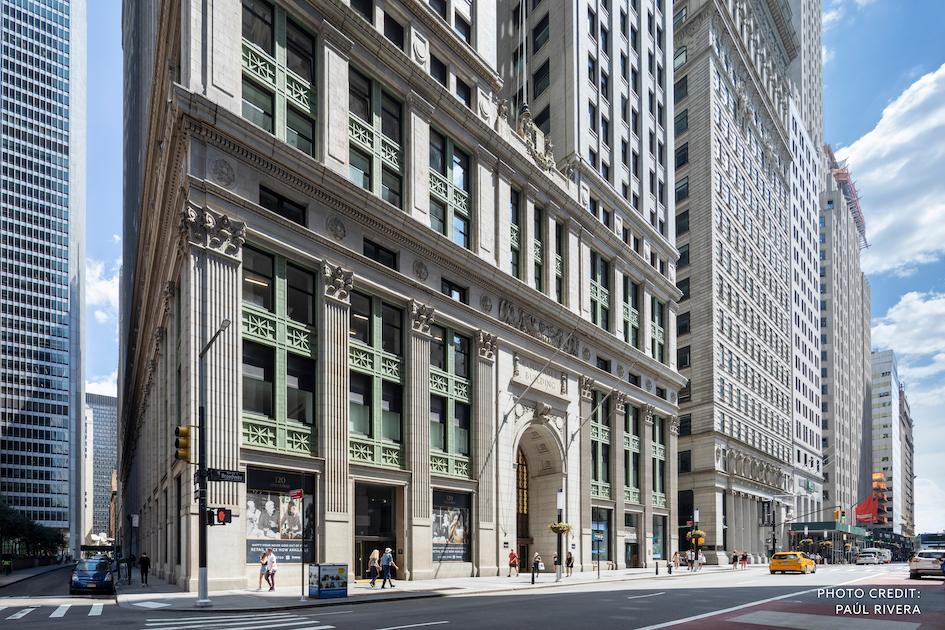
120 Broadway
Loading...
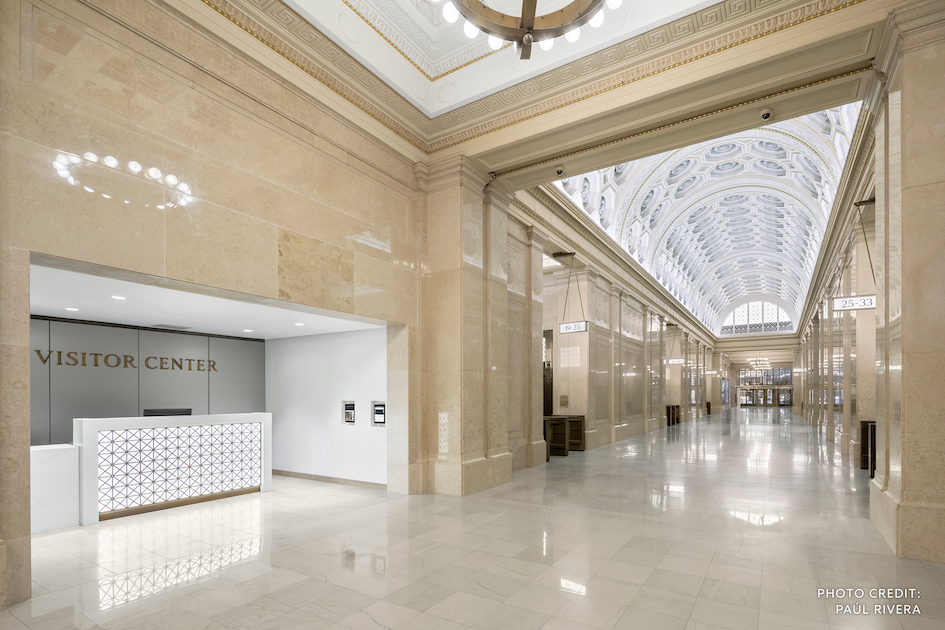
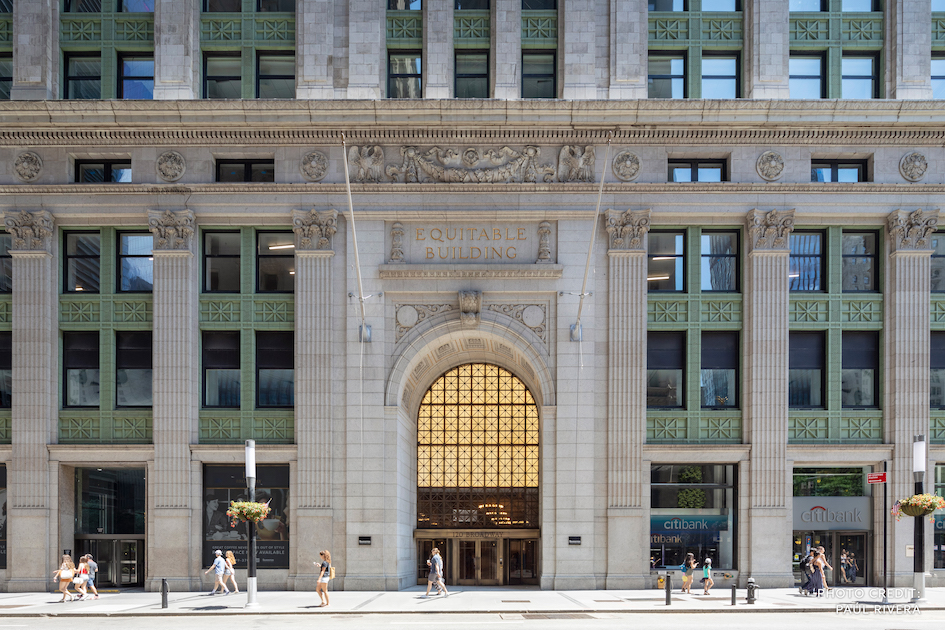
With soaring vaulted ceilings, gold leaf accents, marble floors, and hand-carved architectural detail, 120 Broadway has been an icon of classic style for over a century. This Beaux-Arts masterpiece, located in the heart of Lower Manhattan, is widely considered Downtown’s original symbol of power and stature. Silverstein Properties has completed a series of major capital improvements that have updated and amenitized 120 Broadway from ground floor to rooftop, restoring it back to its original beauty while creating a superior experience for our tenants.
The program focused on restoring the building to its original grandeur from 1915 while updating the property to improve the tenant experience by delivering modern luxuries, including:
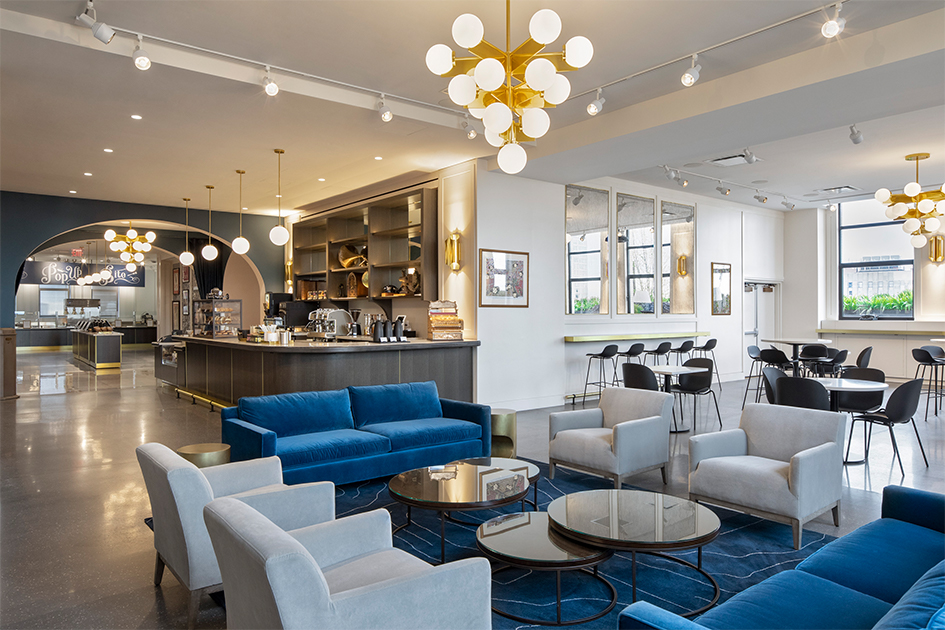
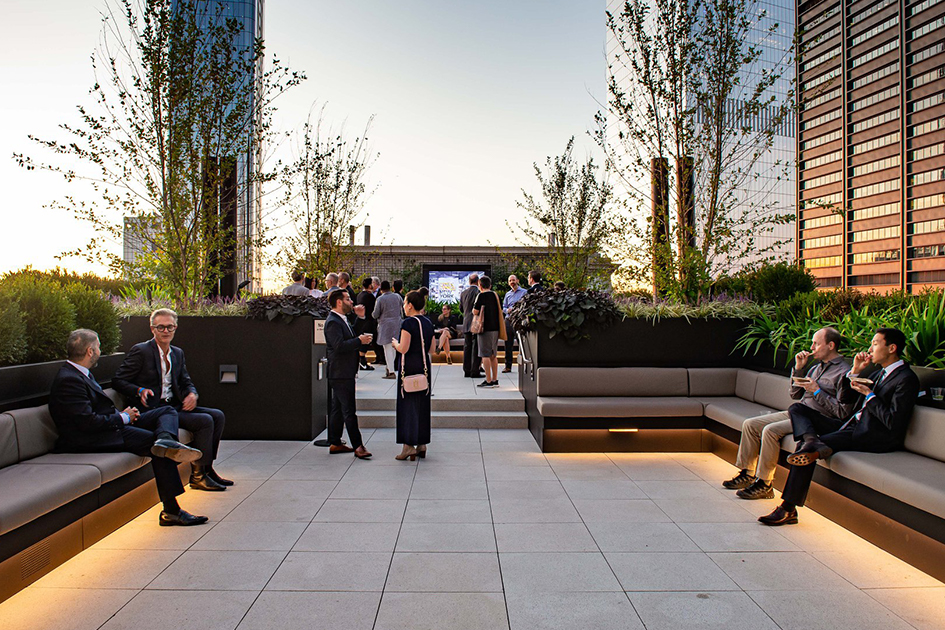
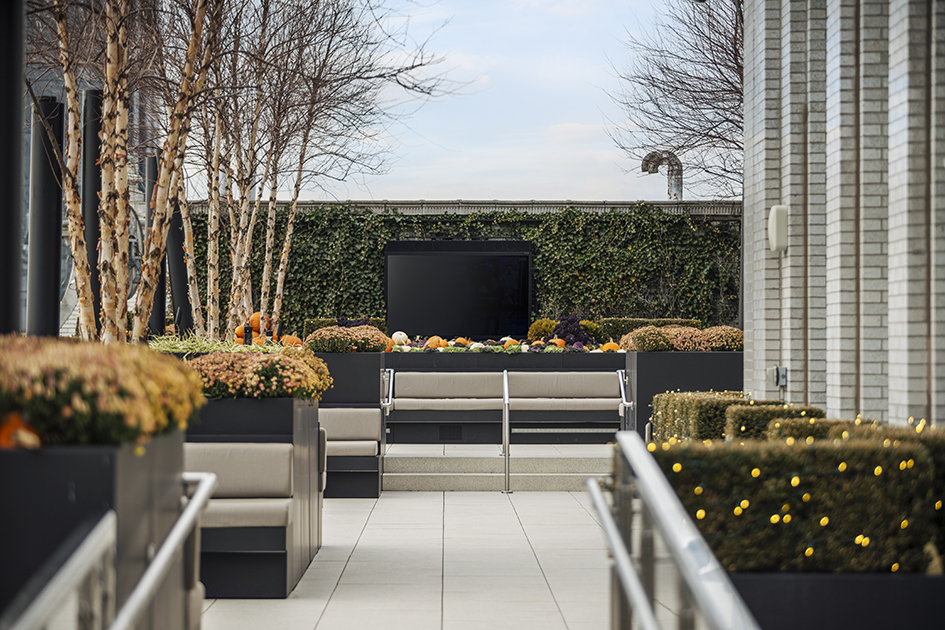
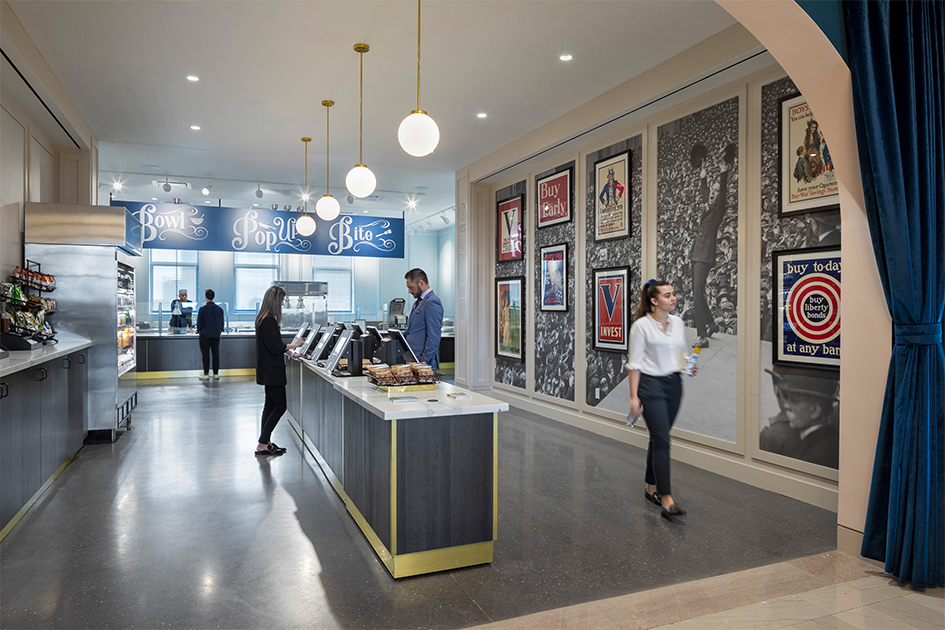
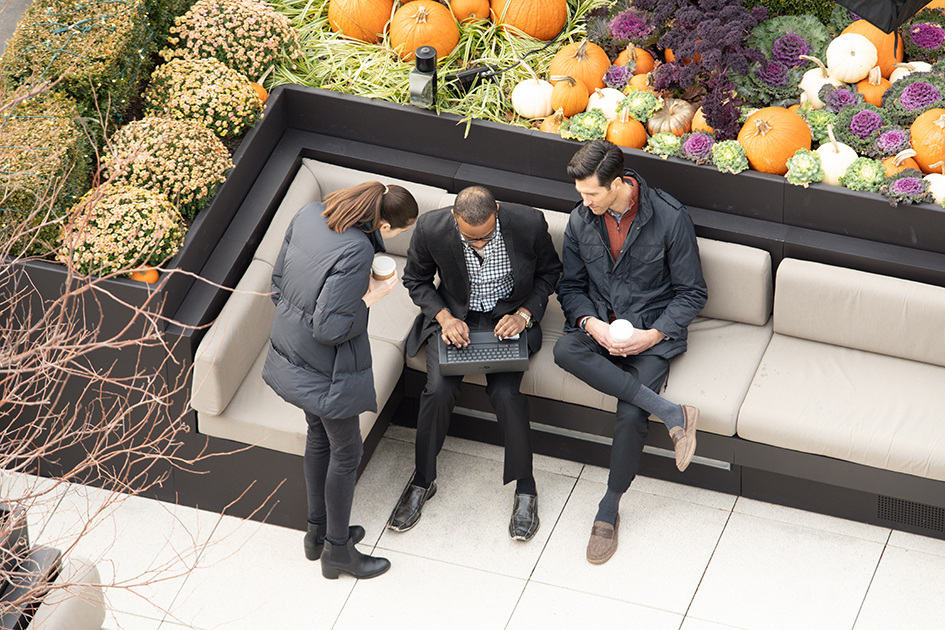
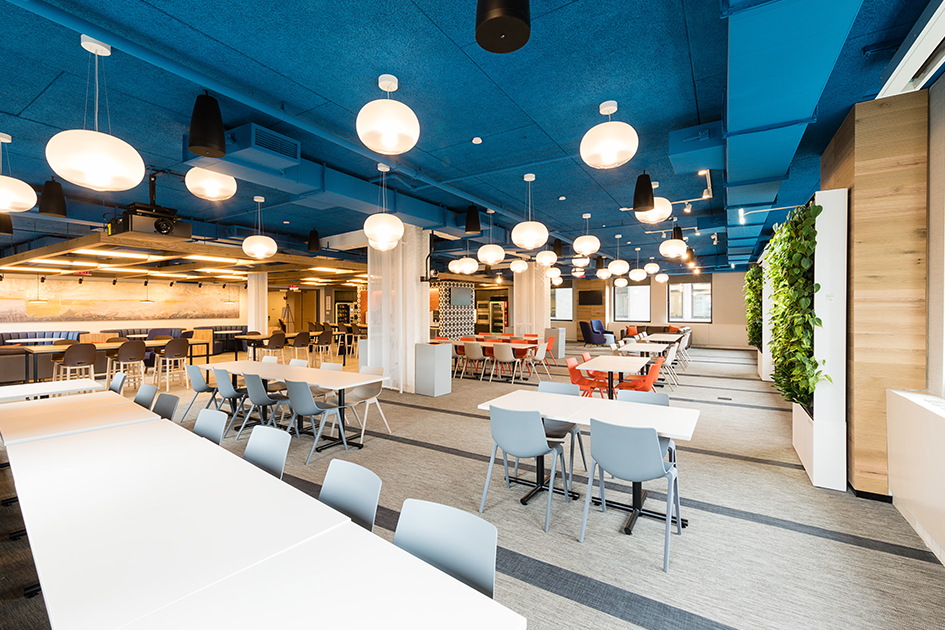
- The Bankers Club: A tenant-exclusive rooftop terrace, lounge, café and food hall
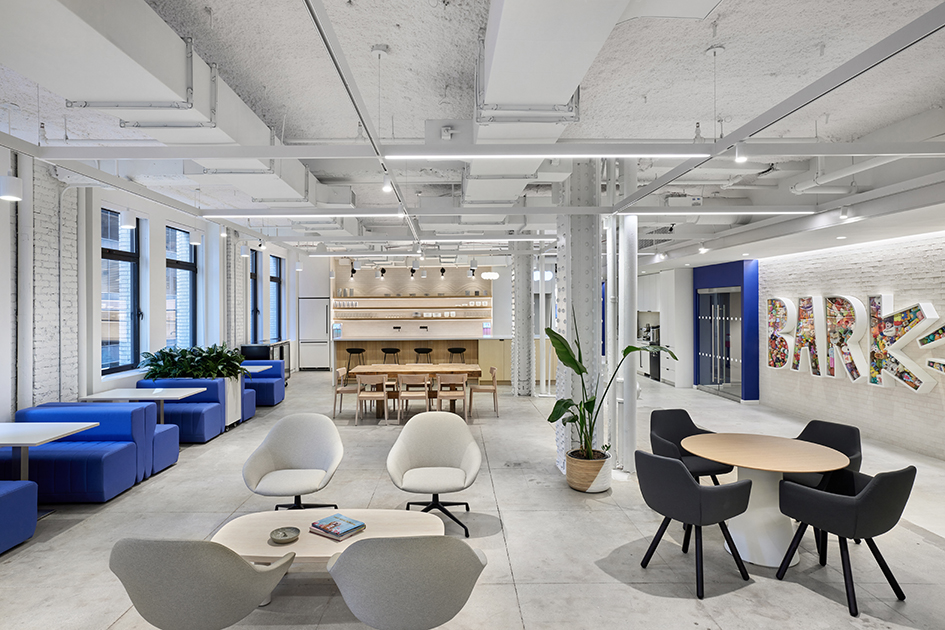
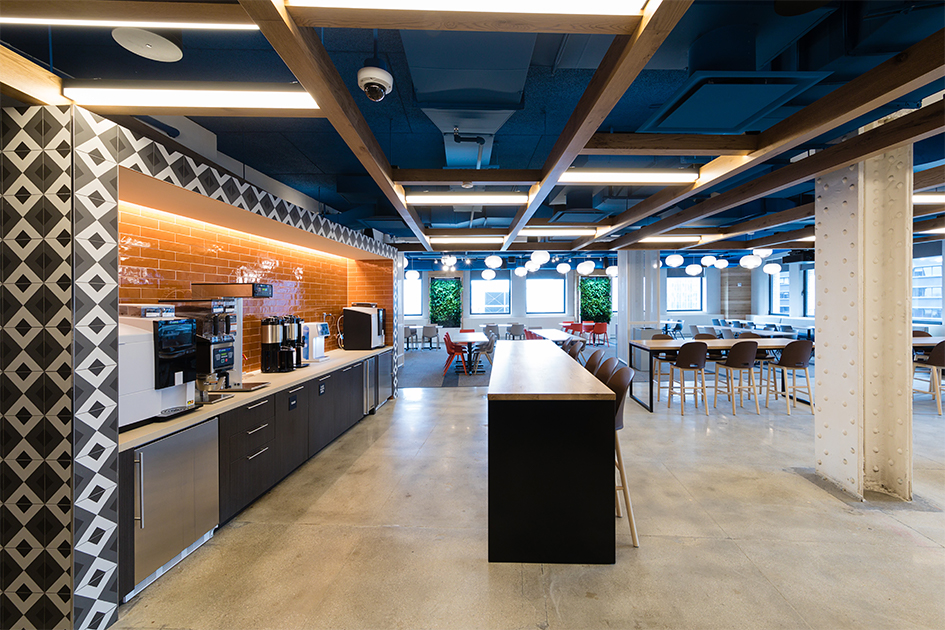
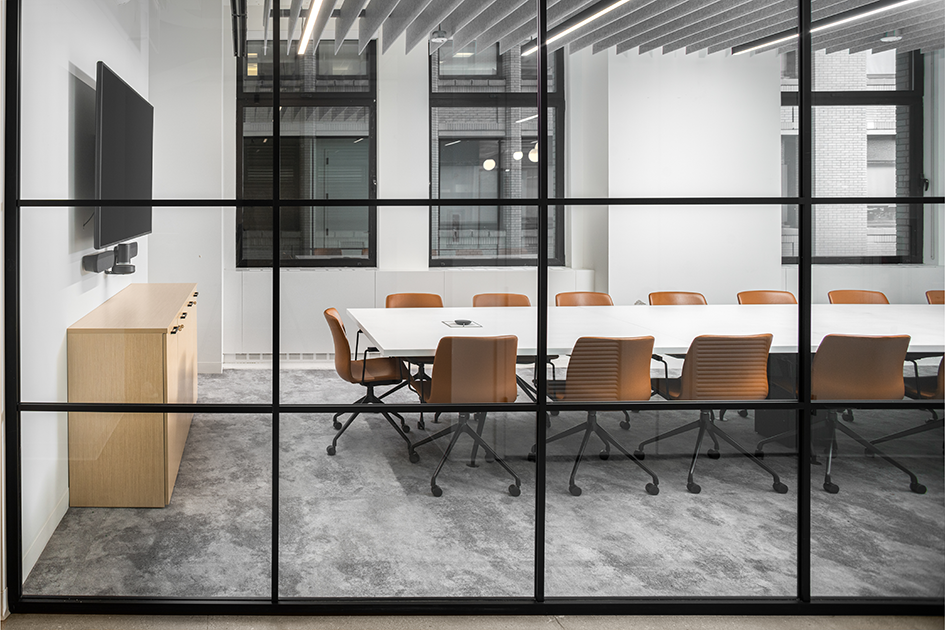
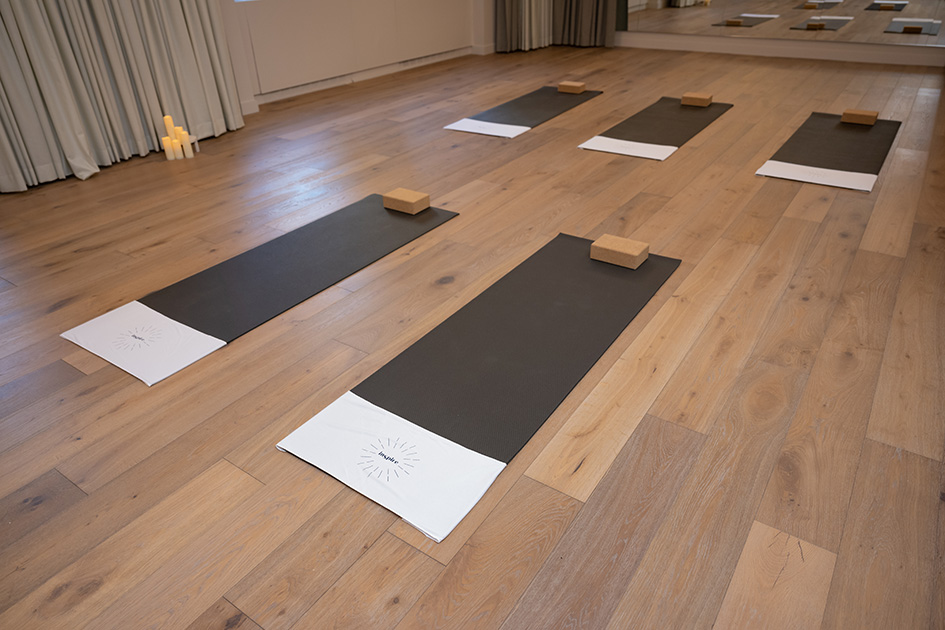
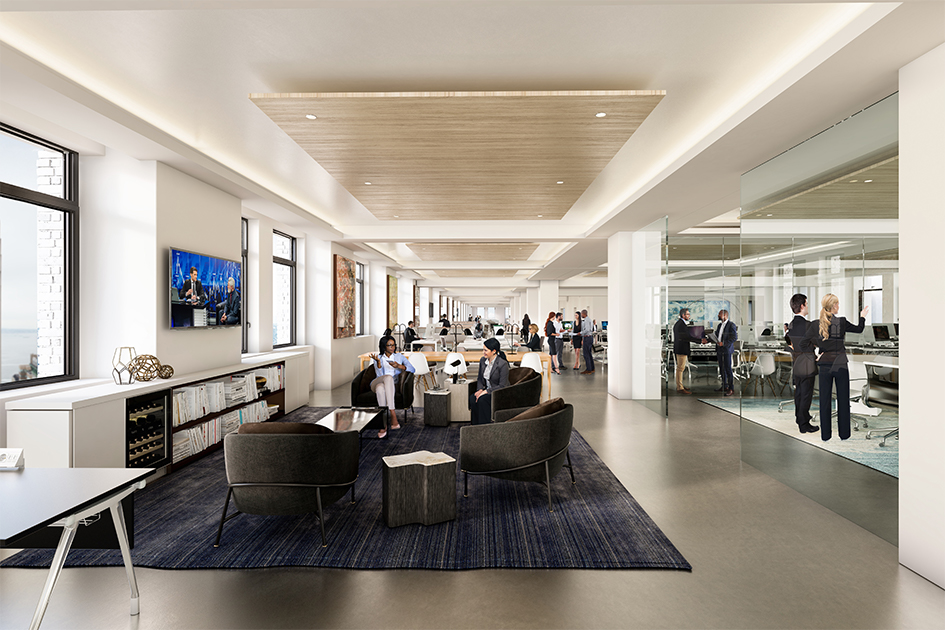
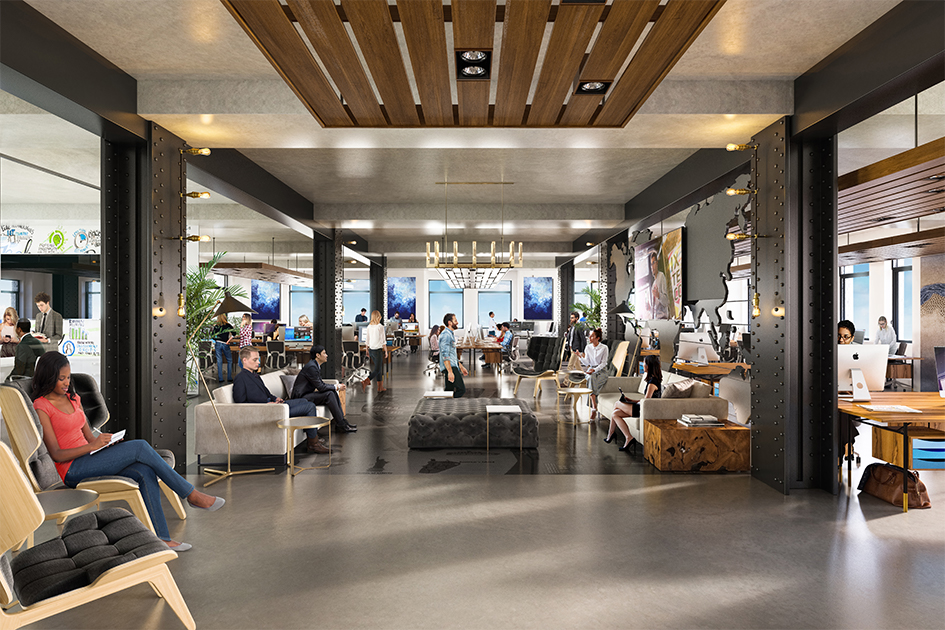
- Amenity floor complete with a yoga room, arcade, speakeasy, lounge area, and conference rooms
- Bike storage with locker room & shower
- New elevator cab finishes
- New security turnstiles for streamlined access
- Retail renovation and activations
- Grand entryway updates
Rising 40 stories, the building spans a full city block bordered by Broadway and Nassau, Pine and Cedar Streets. Upon its completion in 1915, 120 Broadway was the largest office building in the world. The property has 1.9 million square feet of space, accentuated by a grand lobby with soaring ceiling heights and generously-proportioned 50,000 square foot floor plates.
INSPIRE Your Day by Silverstein: A Tenant-Exclusive Lifestyle & Wellness Program
INSPIRE Your Day provides tenants of 120 Broadway with hospitality-focused programming designed to help you to make a life while making a living. Take advantage of offerings ranging from a luxury rooftop lounge and food hall to social and wellness programming that integrates seamlessly into your work routine. Enjoy tenant-exclusive events from yoga classes, happy hours, and culinary experiences, to lectures and massage sessions while taking advantage of neighborhood discounts and perks.
Specifications
-
Address
120 Broadway, New York, NY 10271
-
Architect
Ernest R. Graham
-
Year Built
1915
-
Height
40 floors
-
Size
Approximately 1,900,000 rentable square feet.
-
Floor Plates
Floors 2 - 38: 48,054 - 56,000rsf
Floor 39: 22,620rsf
Floor 40: 8,700rsf
-
Lobby
Vaulted ceiling consisting of a coffered ceiling with gold leaf accents and carved rosettes, marble walls and marble flooring.
-
Ceiling Height
Slab to Slab: 10'7" - 12'5"
-
Infrastructure
HVAC: condenser water system with 24/7 capacity
Electricity: sub-metered
-
Elevator
40 Passenger Elevators, 8 in each of the following banks:
Bank 1 – floors 2-10
Bank 2 – floors 10-18
Bank 3 – floors 19-25
Bank 4 – floors 25-33
Bank 5 – floors 33-40
Bank 6 consists of: 4 service elevators serving floors 1-40, 2 freight elevators serving floors 3B-40, Sidewalk freight car serving floors 1, 1B, 2B and 3B. Service elevator serving 1 and 3B. Three automatic passenger elevators in tenant controlled space.
-
Telecom
Abovenet Communications
Cablevision Lightpath
Cogent Communications
Rainbow Broadband Inc
RCN
Sidera Networks (formerly Con Edison Communications)
Teleport Communications
Time Warner Telecom of NY
Verizon Fios
XO Communications -
Security
Lobby desk attended by security personnel 24/7
Access via security stations and ID card system
Security cameras throughout
-
Notable tenants
Golden Goose
Tower Group
Securities Industry Association
ALM Media
Banco Popular
Macmillan -
Neighborhood
Home to an increasing number of business leaders and highly-skilled knowledge workers, Lower Manhattan has become New York’s hottest live-work neighborhood. Retail giants, boutique shops, fine dining, bars and world-class hotels — as well as the city’s best schools, apartment buildings and parks — all within one square mile.
-
Transportation
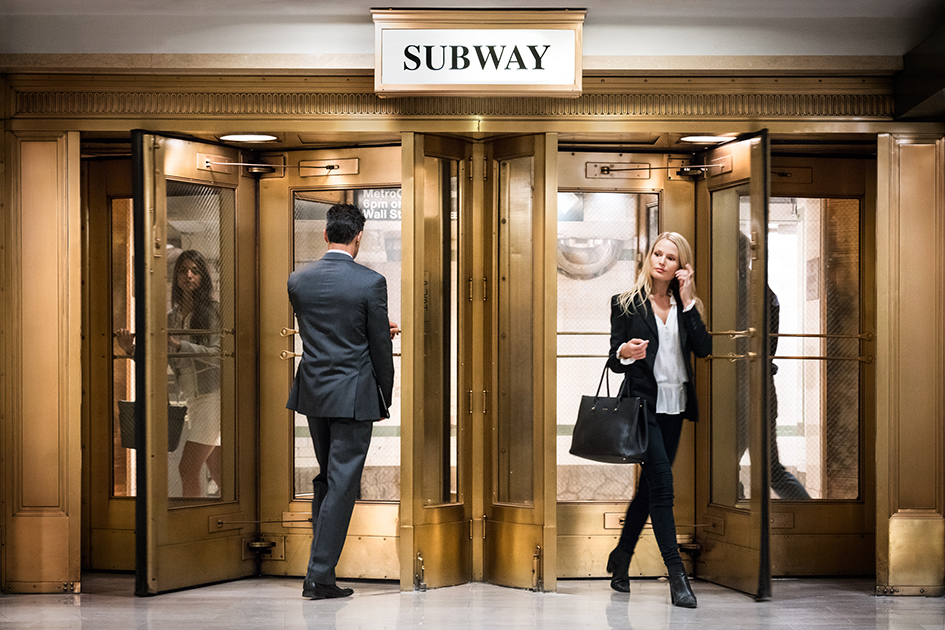
120 Broadway is at the convergence of major public transportation systems, with in-building entry to the 4/5, J/M/Z and 2/3 subway lines and in proximity to the New Jersey-bound PATH trains, bus and ferry lines. 120 Broadway is also conveniently located near the Holland Tunnel, West Side Highway and FDR Drive and is within a 5 minute walk to the WTC Transportation Hub and the MTA Fulton Transit Center.
Leasing Contacts
- Joseph J. Artusa 212.551.7318 jartusa@silvprop.com
- Keith A. Cody 212.312.9229 kcody@silvprop.com
- Harlan Strader III 212.551.7374 hstrader@silvprop.com
- Gordon L. Hough 212.313.4643 ghough@silvprop.com
Building Renderings & Neighborhood Imagery




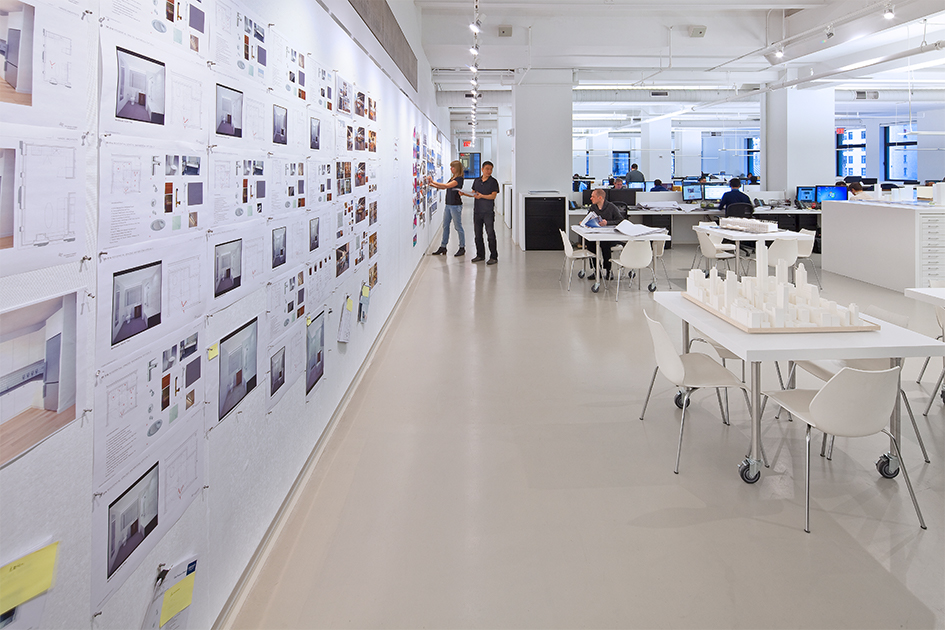
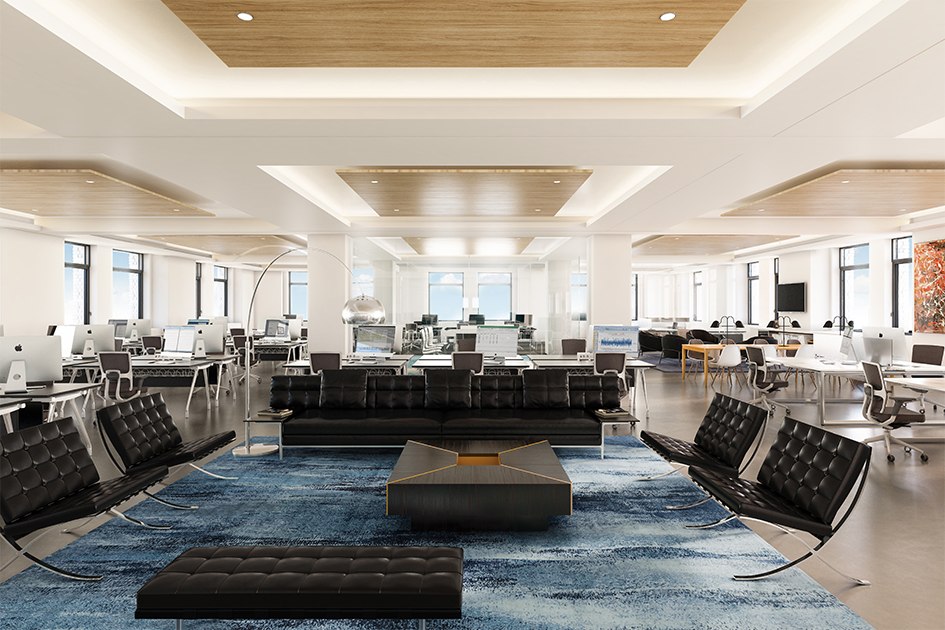
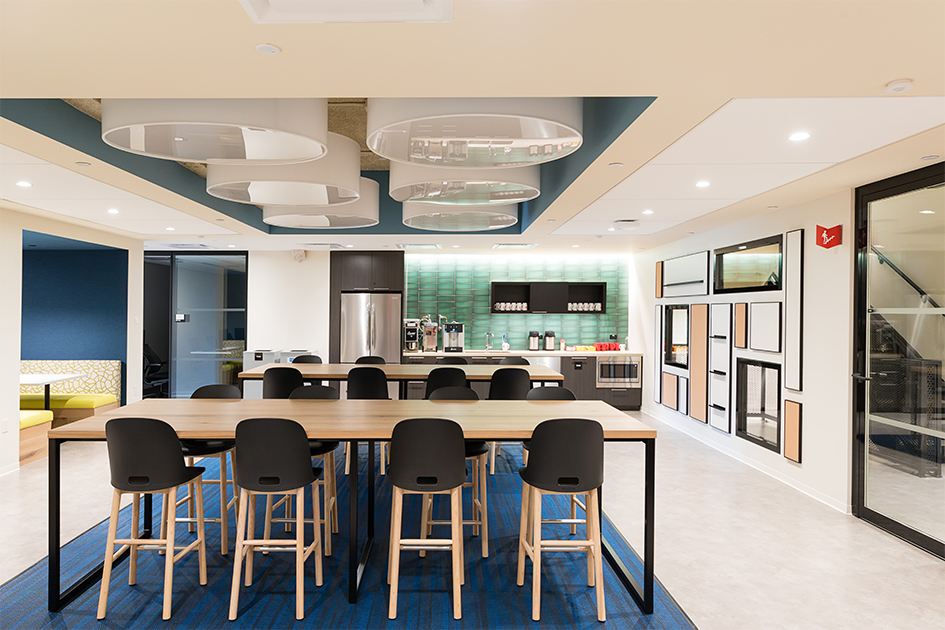

Tenants

.jpg)